Emprowering Lives, Nurturing Hope
Through the collaborative effort of the foundation, our partners, and community, we can create positive changes and opportunities for those in need.
Alata
Alice
Open Sans
Noto Sans
Bebas Neue
Great Vibes
Rock Salt
Exo
Belgrano
Overlock
Cinzel
Indie Flower
Staatliches
Roboto Slab
Lato
Noto Serif
Open Sans
Montserrat
Ubuntu
Rubik
Delius
Amiri
Montserrat
Working to Make a Difference
Orphans and Displaced Children
- Nutrition and Health: Malnutrition and lack of access to healthcare are critical issues for displaced children and orphans.
- Education: Many displaced children and orphans fall behind in their education due to instability and lack of resources.
- Psychological Support: Experiences of loss, trauma, and displacement can have profound psychological impacts.
Elderly
- Healthcare Access: Many elderly individuals suffer from chronic conditions that require ongoing medical attention.
- Nutritional Needs: Dietary needs change with age, and many elderly individuals do not receive the nutrition they need for optimal health.
- Warmth and Shelter: Adequate housing and protection from cold temperatures are crucial for the elderly, especially those living in poverty.
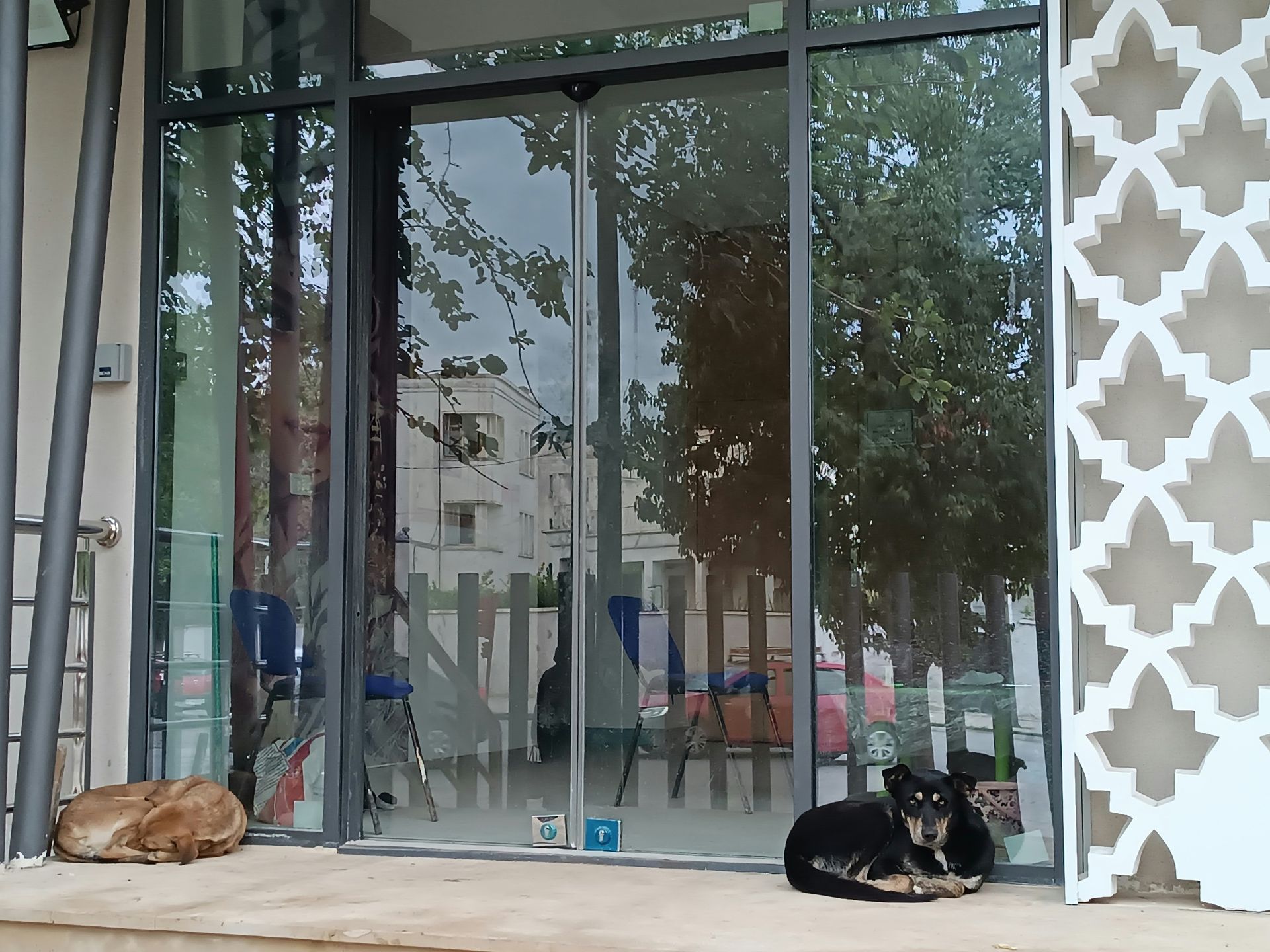
Stray Amimals
- Healthcare and Vaccination: Stray dogs often suffer from diseases, malnutrition, and lack of vaccination, particularly against rabies.
- Population Control: Overpopulation of stray dogs contributes to their poor health and the spread of diseases.
- Shelter and Welfare: Many stray dogs lack access to shelter, leading to high mortality rates and suffering due to exposure and accidents.
From Compassion to Action

Nurturing Tomorrow, Caring Today
- Global Trends: According to UNICEF and WHO, displaced children and orphans are at higher risk for malnutrition, with significant percentages experiencing stunted growth and developmental delays.
- Education: UNESCO reports that displaced children are often out of school at higher rates than their non-displaced peers.
- Mental Health: Studies indicate a high prevalence of PTSD and other mental health issues among displaced and orphaned children, necessitating psychological support and intervention.
According to UNICEF, WHO, and UNESCO
- Chronic Conditions: The World Health Organization notes that over 80% of older adults will have at least one chronic condition, and 50% will have at least two.
- Nutrition: Nutritional deficiencies, such as vitamin D and calcium deficiency, are common in older populations, impacting overall health and bone density.
- Housing: The lack of adequate housing and heating can lead to increased mortality among the elderly during colder months.
According to WHO
- Rabies: The World Health Organization identifies rabies as a major concern, with dogs contributing up to 99% of all rabies transmissions to humans. Vaccination and spay/neuter programs are essential.
- Overpopulation: Studies show that a single unspayed female dog and her offspring can produce thousands of puppies in just a few years, highlighting the need for population control.
- Health: Without access to veterinary care, stray dogs are at high risk for a range of diseases, malnutrition, and injuries.
According to WHO and other studies